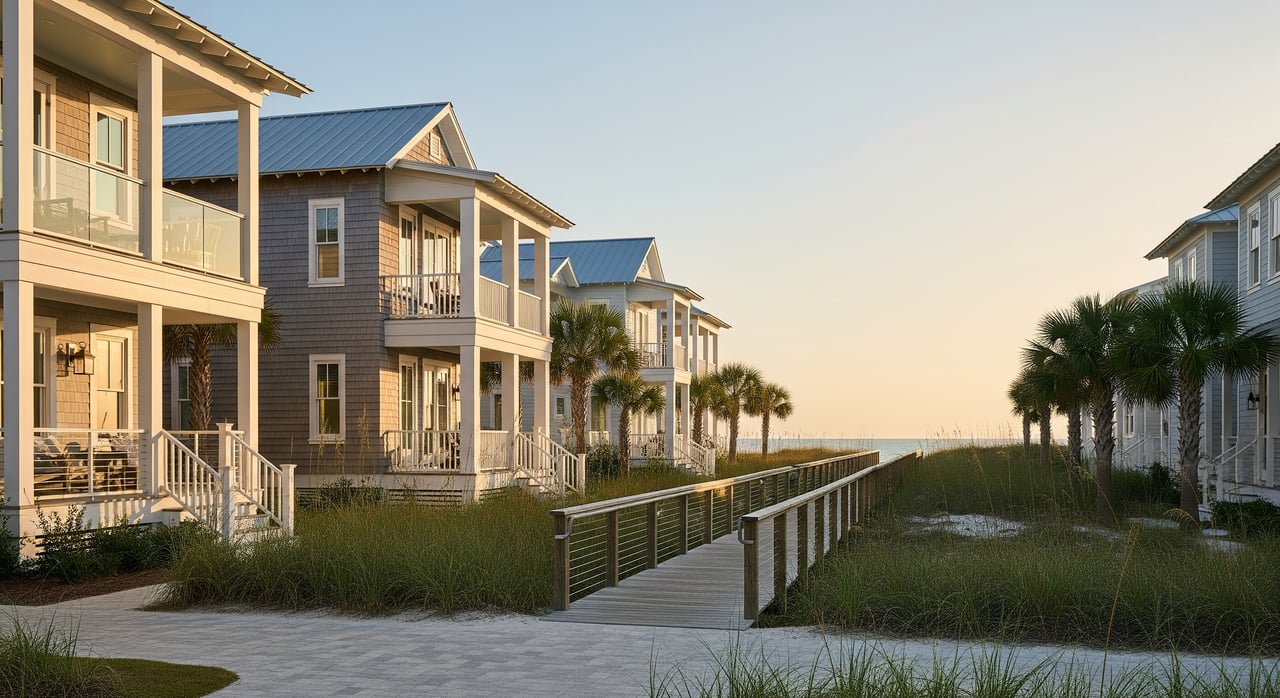
Looking at Seacrest and Inlet Beach for a coastal home or investment can feel like choosing between two great flavors. Both sit on Florida’s Scenic Highway 30A, both deliver Emerald Coast beauty, and both draw steady vacation demand. The differences show up when you consider how you will get to the beach, where you will grab dinner, and how a short‑term rental might perform over a full year.
In this guide, you will get a clear, side‑by‑side look at walkability, beach and regional access, and short‑term rental considerations. You will also get practical checklists to use when touring homes or reviewing an investment. Let’s dive in.
Seacrest and Inlet Beach overview
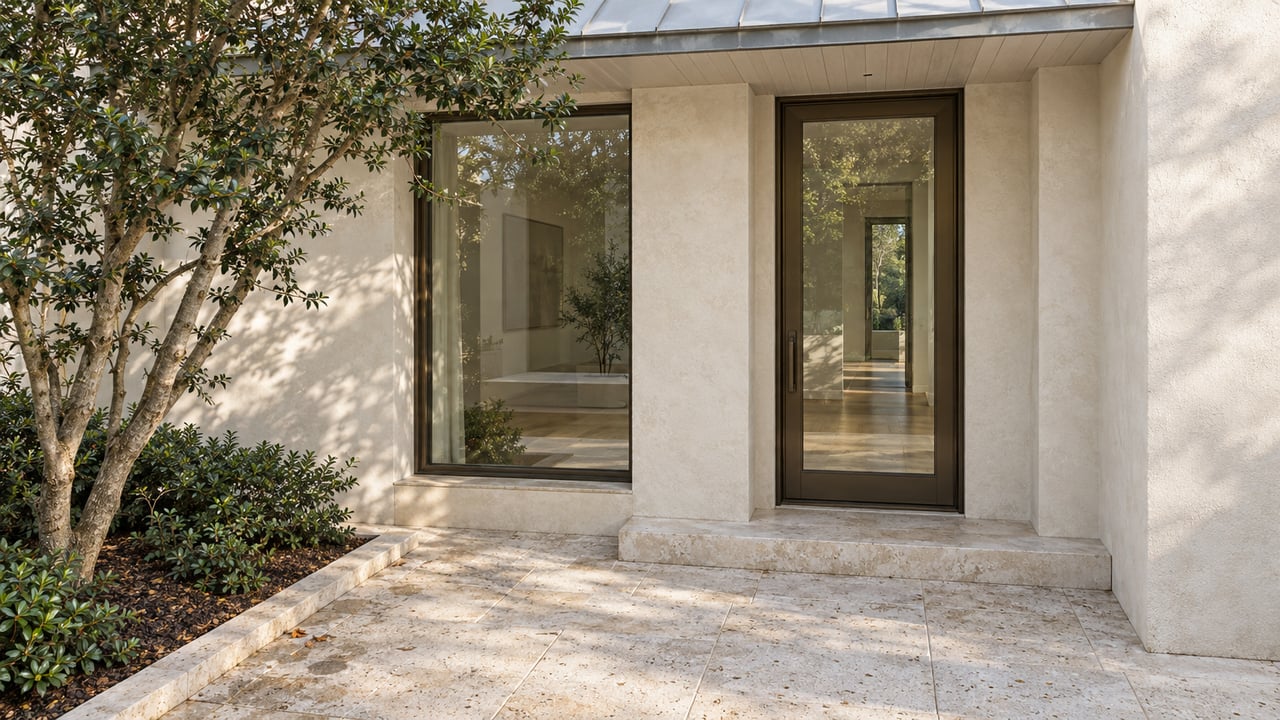
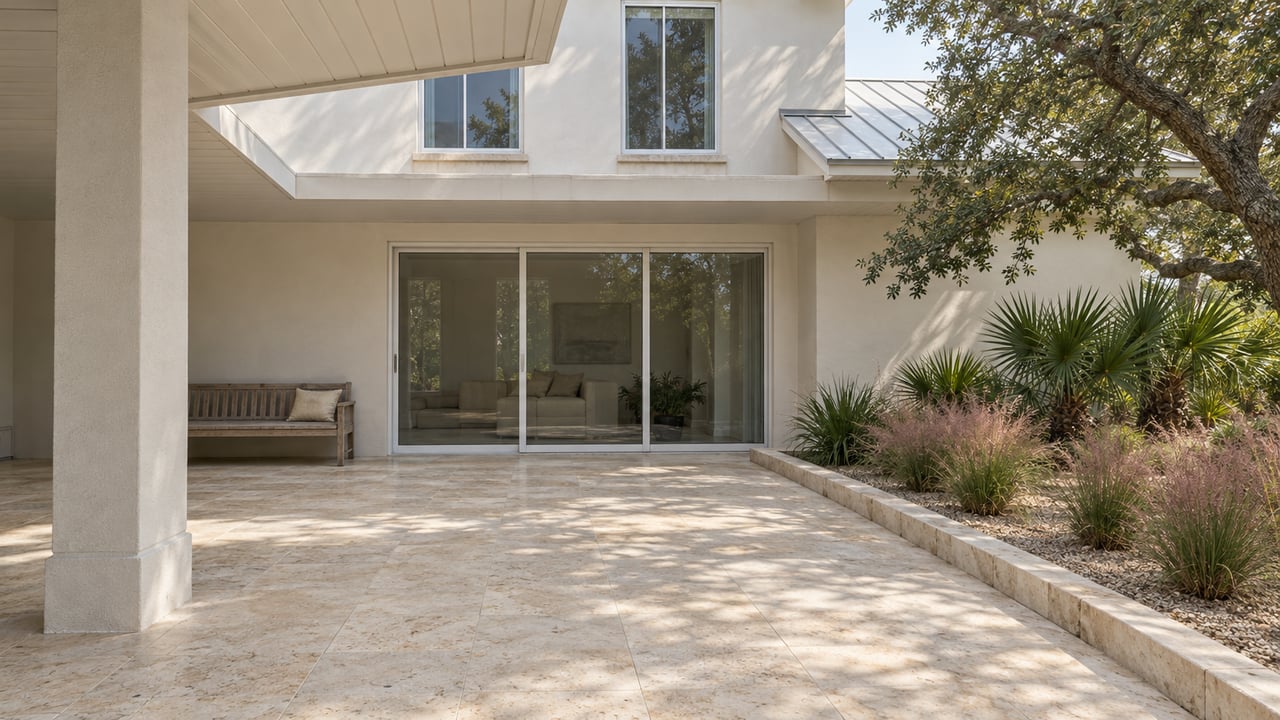
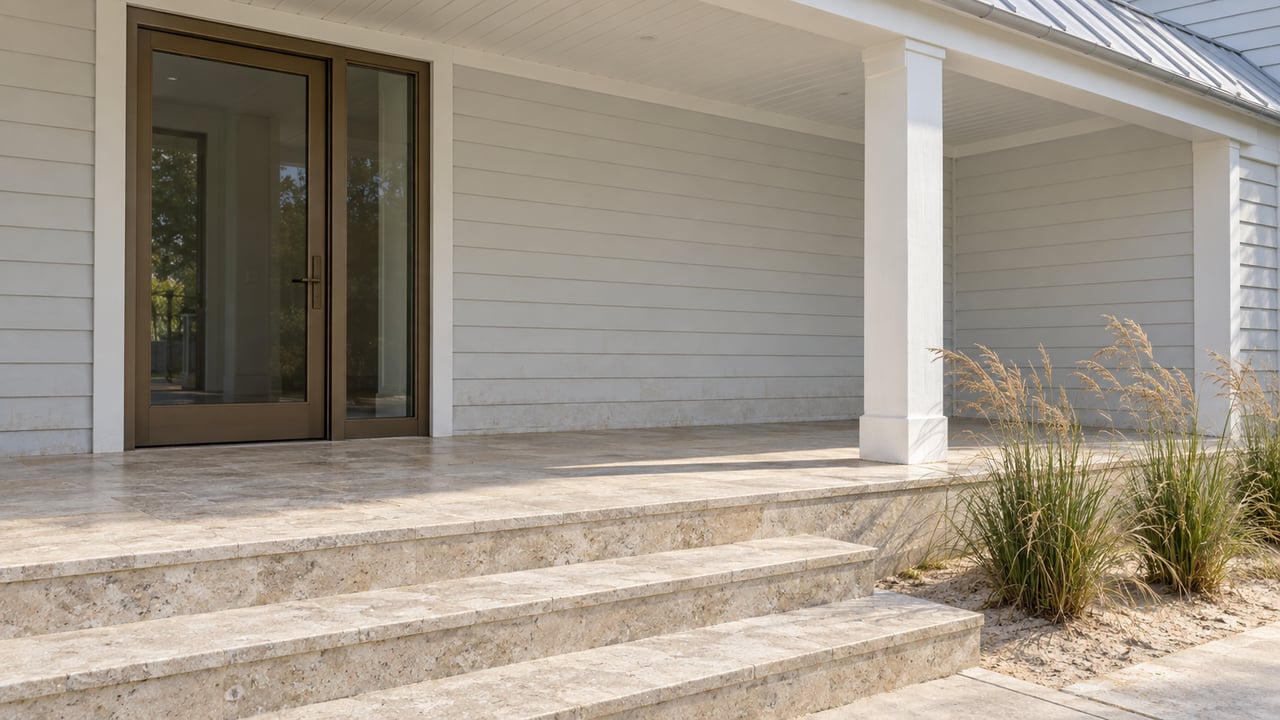
Seacrest and Inlet Beach are neighboring communities along the 30A corridor in Walton County. Seacrest tends to feel like a planned village with cottage‑style homes, condos, and pedestrian‑oriented town‑center pockets. It sits on the Gulf side of 30A, and many homes are designed around easy access to the beach and community amenities.
Inlet Beach has a broader mix of residential and commercial areas with a more spread‑out feel in places. You will find single‑family homes, multi‑unit buildings, and commercial strips near the highway. Walkability varies by address, and some areas feel more car‑oriented, especially where 30A meets larger roads.
Both communities share proximity to 30A’s multi‑use path, miles of Gulf shoreline, and neighboring destinations like Rosemary Beach and Alys Beach. For out‑of‑state owners or frequent travelers, it is smart to check current drive times to regional airports from a specific address because seasonal traffic can shift those times.
Walkability and bike access
Walkability and bike connectivity along 30A are shaped by the multi‑use path, sidewalk continuity, and how close you are to mixed‑use pockets.
30A multi‑use path
A paved multi‑use path, often called the Timpoochee Trail, runs along much of 30A and links Seacrest and Inlet Beach. This makes biking and walking between neighborhoods and dining nodes more practical, especially during peak seasons when traffic increases.
Inside Seacrest
Seacrest’s shorter blocks and clustered design make it easier to reach restaurants and services on foot or by bike. Many cottages and condos are built with pedestrians in mind. If being able to stroll for coffee, dinner, or the beach is a top priority, Seacrest’s layout is a natural fit.
Inside Inlet Beach
Inlet Beach offers pockets that are walkable near commercial clusters, but the experience varies. Depending on your address, you may need to cross 30A or travel longer distances to reach shops and dining. The multi‑use path helps, yet some stretches are still more convenient by car.
Quick walkability checks
- Map the route from the property to the nearest beach access and dining. Note sidewalks, lighting, and crosswalks.
- Confirm distance to the 30A multi‑use path and the safest access point.
- Ask for a recent Walk Score or do a real‑world “10‑minute walk test.”
Beach access facts
Getting to the sand is often the deciding factor on 30A. Seacrest typically features neighborhood beach crossovers and access points that keep the walk short for many homes. This can also make it easier to market a listing or rental as “walk to beach.”
Inlet Beach has several public beach accesses spread along its shoreline. Some homes sit a short walk away. Others are better served by driving to a public access with parking. During peak season, parking at popular access points can be limited, so knowing your specific lot or building’s parking situation matters.
What to verify on a showing
- The exact walk time and route to the nearest beach access.
- If the access is public, private, or HOA‑controlled.
- Where guests or family will park during busy weeks.
- Any HOA rules that affect wristbands, carts, bikes, or beach gear.
Driving and regional access
Both Seacrest and Inlet Beach connect directly to County Road 30A, with US‑98 nearby for regional travel. Inlet Beach often feels a touch more convenient for quick trips along US‑98 to big‑box shopping or neighboring towns. From Seacrest, some destinations may require a slightly longer drive depending on traffic and the time of year.
If you fly in and out frequently, check current drive times to airports like ECP or VPS from the exact property address. Seasonal patterns and events can shift those times, so plan for variability and keep a local perspective in your timetable.
Emergency and resilience notes
- Review FEMA flood maps and property elevation because flood zones affect insurance and building requirements.
- Understand evacuation routes that use 30A and nearby highways. Seasonal congestion can influence evacuation timing and logistics.
Parking and peak‑season tips
Public and beach‑access parking tightens during peak season. Most rentals rely on assigned or private parking, and many HOAs or condos limit the number of cars per unit. For owners, these rules impact guest satisfaction and can reduce friction during busy weeks.
When you evaluate a property, ask about guest parking overflow, golf cart policies, bike storage, and drop‑off zones. Parking clarity is a small detail that pays big dividends in reviews and repeat stays.
Short‑term rental landscape
South Walton’s 30A corridor draws strong vacation demand, especially in late spring and summer, plus holidays and event weeks. Off‑season bookings exist at lower rates. Product type and location drive performance more than the community name alone.
In Seacrest, the village feel and walk‑to‑beach convenience attract families and couples who value a relaxed, walkable experience. In Inlet Beach, the broader mix of housing and commercial options pulls a wider range of guests, including larger groups that prioritize space and easy highway access.
Regulations to confirm
- County and state transient rental taxes, registration, and remittance requirements.
- Any local permitting and code enforcement processes that apply to short‑term rentals.
- HOA rules such as minimum stays, caps on rental frequency, parking limits, or guest registration.
Operating costs to plan for
- Property management fees, cleaning, linens, and guest services.
- Routine maintenance and coastal wear from salt and humidity.
- Utilities, landscaping, and marketing costs.
- Insurance for hazard, wind, and flood when required.
Data you should request
- Historical performance for 12 to 24 months showing nightly rates, occupancy by month, and gross versus net income.
- Comparable rentals from local managers and major platforms to benchmark pricing.
- Full HOA covenants, plus any county rental permit documents.
- Repair and capital improvements history to anticipate near‑term costs.
- Current insurance quotes and property tax projections.
Pros and cons at a glance
Seacrest strengths
- Village layout with higher walkability to beach and amenities.
- Easy to market as walkable for lifestyle buyers and renters.
- Strong appeal to guests who prefer a compact, pedestrian‑friendly setting.
Seacrest considerations
- Some neighborhoods have smaller lots and stricter HOA rules.
- Limited public parking near beach access during peak times.
Inlet Beach strengths
- Larger, more varied housing stock and commercial offerings.
- Convenient access to US‑98 for regional trips.
- Appeal to guests who value space, variety, and easy highway access.
Inlet Beach considerations
- Walkability depends on exact location and proximity to nodes.
- Some homes may require driving to reach beach or dining.
Which area fits your goals
If you want a home where you can park the car and spend most days on foot or bike, Seacrest is naturally aligned with that lifestyle. You will likely find shorter walks to the beach and a more compact feel that supports daily errands without driving.
If you prefer a wider set of home styles and quick highway access, Inlet Beach offers more variety. You will still find walkable pockets, but it helps to narrow your search to specific blocks near commercial clusters or beach access.
For short‑term rental investors, match the product to the guest profile you want. A Seacrest cottage near a beach crossover markets well to families and couples seeking convenience. A larger Inlet Beach home can attract groups that prioritize space and direct US‑98 access. In both cases, performance depends on bedroom count, condition, amenities, and the clarity of parking and beach access.
Due diligence checklist
Confirm flood zone, elevation, and any elevation requirements for improvements.
Review HOA documents for rental rules, parking, carts, and beach access.
Verify beach access distance, type, and any wristband or gate policies.
Request 12 to 24 months of rental performance with monthly detail.
Compare comps from local managers and major platforms to validate pricing.
Get current quotes for wind, hazard, and flood insurance.
Inspect for coastal wear on HVAC, windows, exterior metals, and decking.
Clarify guest parking allocations and overflow options.
Next steps
Choosing between Seacrest and Inlet Beach comes down to how you want to live or how you want guests to experience their stay. Focus on walkability, exact beach access, and the operating details that drive rental reviews. With a clear plan, both communities offer lasting appeal and strong fundamentals.
If you want a local guide who can pre‑screen addresses for walkability and beach access, source rental histories, and manage a smooth closing from out of state, connect with Erich Hardy. You will get service‑first advice, responsive communication, and a plan tailored to your goals.
FAQs
Which 30A community is more walkable for daily errands and the beach?
- Seacrest generally offers a more walkable village layout with shorter routes to beach crossovers and nearby dining, while Inlet Beach’s walkability varies by address.
How does beach access differ between Seacrest and Inlet Beach for owners and guests?
- Seacrest often features neighborhood crossovers within short walks, and Inlet Beach relies on multiple public accesses where some homes are walkable and others are better served by driving.
What should investors know about short‑term rental rules in Walton County?
- Expect to register, collect, and remit transient taxes and to follow any local permitting and HOA rules such as minimum stays, parking limits, and guest registration.
Are insurance and flood considerations different for 30A properties near the Gulf?
- Many properties sit in FEMA flood zones that influence insurance costs and building requirements, so check a specific address for elevation, wind coverage, and flood needs.
Which area typically performs better as a vacation rental on 30A?
- Performance depends more on property attributes like proximity to the beach, bedroom count, amenities, and condition, so evaluate the specific home using comps and historical data.