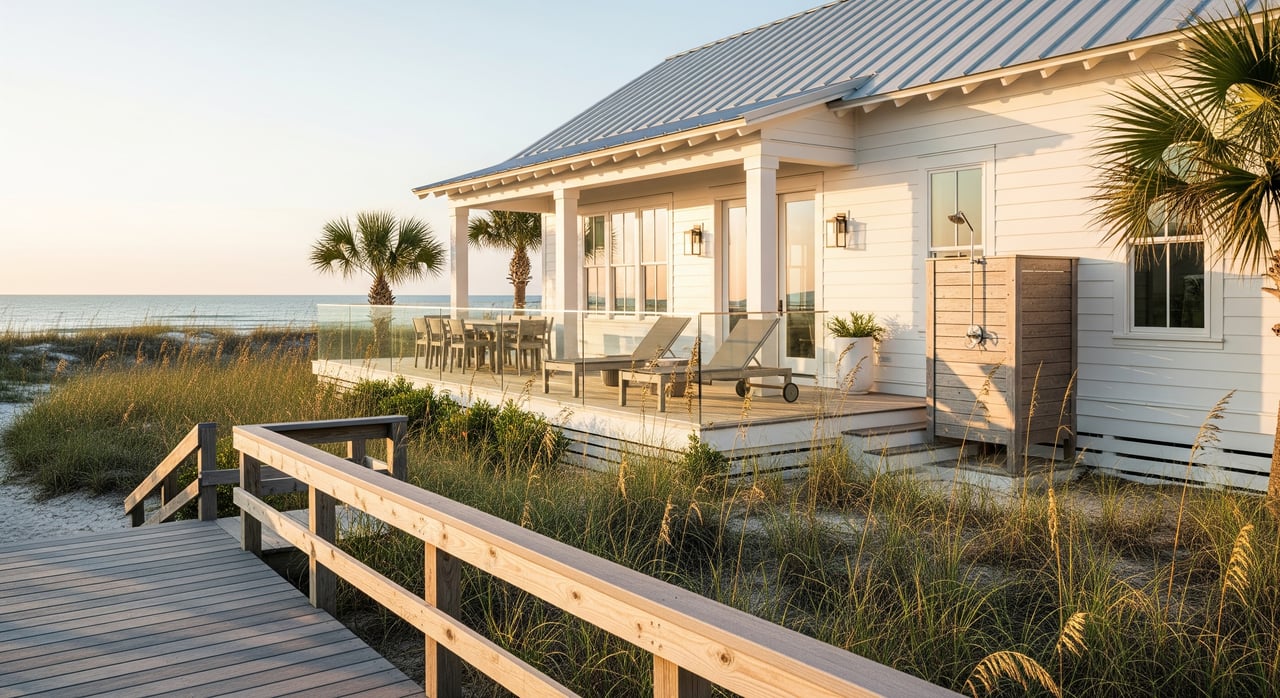
Thinking about turning your Seacrest property into a short-term rental but not sure where to start? You’re not alone. 30A is popular and profitable, yet it comes with rules, seasonality, and coastal risks you need to understand. In this guide, you’ll learn the essentials for permits, taxes, insurance, HOA rules, pricing, and hurricane prep so you can launch with confidence. Let’s dive in.
Seacrest and 30A rental landscape
Seacrest sits along Scenic 30A, a stretch of Gulf-side communities known for high visitor demand. Your exact location within a neighborhood affects nightly rates, occupancy, and guest expectations. Proximity to beach access, walkability, parking, and community amenities all matter.
Typical guests on 30A expect clean and comfortable spaces, reliable Wi‑Fi, clear check-in instructions, and easy beach access. Family travelers often look for well-equipped kitchens and child-friendly items. Set expectations up front to reduce questions and boost reviews.
Seasonality is strong. Summer and holiday weeks see peak pricing and occupancy, while spring and shoulder seasons still draw visitors. Plan your calendar and staffing around these predictable swings.
Permits, rules, and registrations
Seacrest is in unincorporated Walton County. Local rules come from the county and from your HOA or neighborhood governing documents. Verify both before you list.
- County registration or business tax receipt: Check Walton County requirements for any registration or permit tied to short-term rentals or local business activity.
- Local contact: Some areas require a 24/7 contact able to respond to complaints. Confirm Walton County’s current code and expectations.
- Noise and occupancy: Counties and HOAs often enforce nuisance, quiet hours, crowd limits, and parking rules. Learn the limits and include them in your house rules.
- Building and safety: Make sure your home meets county building code and safety standards, including smoke and carbon monoxide alarms and pool safety where applicable.
Before you go live, confirm details with Walton County Planning & Zoning, Code Enforcement, and your HOA board or property manager. Rules change, so document what you find and keep it updated.
Taxes you must handle
Short-term rentals in Florida generally trigger state and local taxes. New owners should prepare to register and file.
- Florida Department of Revenue: Register to collect and remit state sales tax on short stays and any local surtaxes. Follow the filing schedule you receive.
- Walton County tourist development tax: Walton County collects a local occupancy or tourist tax on short-term stays. Confirm rates and registration steps with county offices.
- Platform collection: Some booking platforms collect and remit certain taxes for you in specific jurisdictions. You remain responsible for registering and ensuring correct taxes are paid.
- Federal income tax: Report your rental income to the IRS. Your filing method depends on your use, number of rental days, and services provided.
When in doubt, speak with a CPA who knows Florida vacation rentals. Keep clean records of income, expenses, and filings from day one.
Insurance and safety essentials
Standard homeowner policies often exclude short-term rental activity. Protect your asset and your guests by updating coverage and safety items.
- Policy fit: Get a policy that explicitly covers short-term rental use or add a vacation rental endorsement.
- Wind and flood: Coastal Florida faces wind and flood risks. Review windstorm deductibles and consider flood insurance, even if it is not required by a lender.
- Liability: Make sure your liability limits are adequate for guest injuries and property damage. Consider an umbrella policy.
- Loss of income: Ask about coverage for lost rental income due to covered events.
- Contents: Insure furniture, linens, and supplies.
- Safety checklist: Smoke and carbon monoxide alarms, GFCI outlets near water, fire extinguisher, first-aid kit, clear lighting and paths, secure railings, and posted emergency and evacuation instructions. For pools, confirm fencing, gates, and signage.
Document your coverage and keep certificates handy for your HOA or property manager.
HOA rules and neighbor relations
Most 30A neighborhoods have HOA covenants that set rental rules. These can include minimum stay lengths, guest registration, fines for violations, party restrictions, parking rules, and amenity access.
Review your HOA documents before accepting bookings. Add key rules to your listing and your house manual. Provide a local contact and respond quickly to noise, parking, or trash issues. A proactive approach maintains community goodwill and protects your rental privileges.
Smart operations and guest experience
Great operations drive reviews, repeat bookings, and fewer headaches.
- House rules: Post them in the listing and send them again with the check-in message. Include occupancy, parking, noise, and pool safety.
- 24/7 response: Have a local contact to handle lockouts, leaks, or complaints at any hour.
- Keyless entry: Use smart locks and change codes between guests.
- Turnover standards: Set cleaning checklists with photos, linen standards, and inventory counts.
- Maintenance calendar: Schedule HVAC filter changes, pest control, and exterior inspections.
- Guest vetting: Use age minimums, ID verification, and no-event policies as allowed by platform rules and local law.
Clear communication and a fast response build trust and reduce issues.
Pricing, seasonality, and minimum stays
30A has clear high and shoulder seasons. To set rates:
- Study local comps and talk with local property managers for typical rates and minimum stays.
- Use higher minimums during peak weeks and shorter minimums in shoulder season to fill gaps.
- Update pricing for holidays, festivals, and prime weeks.
- Highlight walkability, beach access, and parking in your listing to justify rate differences.
Accurate descriptions reduce cancellations and help you hit target occupancy.
Property management: DIY or local pro
If you live out of the area, a local manager can be worth the fee. They can handle turnovers, vendor scheduling, compliance reminders, and emergencies. If you self-manage, line up reliable cleaners, handymen, and a local contact to meet county and HOA expectations.
Compare costs, service levels, and response times. Choose the model that supports your revenue goals and service standards.
Budgeting and tax planning basics
Build a budget that reflects coastal realities. Common line items include:
- Property taxes and insurance
- HOA dues and reserves
- Utilities and internet
- Cleaning and linens per turnover
- Platform commissions or management fees
- Routine maintenance and a repair reserve
- Marketing and listing costs
- Capital reserves for big-ticket items and storm recovery
For federal taxes, track deductible expenses like interest, insurance, utilities, cleaning, supplies, management fees, advertising, and depreciation. Work with a CPA on how to classify your activity, handle depreciation, and manage passive loss rules.
Hurricane readiness for coastal owners
Have a written plan you can send to guests and vendors.
- Pre-storm: Communicate timelines, secure shutters or panels, and protect outdoor items. Outline your refund or rescheduling policy.
- During watches and warnings: Provide official guidance and contact info for your local manager.
- Post-storm: Inspect, document damage, and coordinate repairs. Update guests on re-opening timelines.
Test your plan before storm season and keep supplies on hand.
Quick-start checklist for new owners
Use this list to launch faster and with fewer surprises.
- Confirm your HOA allows your intended rental model; learn minimums and guest registration steps.
- Verify Walton County registration or business receipt requirements; confirm noise, parking, and occupancy rules.
- Register with the Florida Department of Revenue and Walton County for applicable sales and tourist taxes.
- Update insurance for short-term rental use; add wind, flood, liability, and loss of income as needed.
- Install safety essentials and post an emergency and evacuation guide.
- Decide on self-management or hire a local property manager; set vendor and emergency contacts.
- Build your pricing plan for peak and shoulder seasons; set minimum stays for holidays and summer.
- Create a cleaning and maintenance schedule; standardize turnover checklists with photos.
- Prepare your listing with accurate details on parking, beach access, and HOA rules.
- Draft a hurricane plan and share it with guests during storm season.
Ready to launch your Seacrest rental the right way? Reach out for local guidance tailored to your property and goals. Unknown Company is here to help you set up, stay compliant, and earn with confidence.
FAQs
Do I need a Walton County short-term rental permit?
- Check with Walton County Planning & Zoning for current registration or business receipt requirements and verify your HOA’s rental rules before listing.
Who collects sales and tourist taxes for Seacrest rentals?
- You are responsible for registration and ensuring taxes are paid; some platforms may collect certain taxes, so confirm details with the Florida Department of Revenue and Walton County.
Is standard home insurance enough for a 30A short-term rental?
- Often not; get coverage that explicitly includes short-term rental use, plus wind, flood, liability, contents, and loss of rental income where appropriate.
Can guests host parties or large events at my Seacrest home?
- Many HOAs and local rules restrict parties and set occupancy limits; include clear house rules and require guest acknowledgement during booking.
Should I self-manage my Seacrest rental or hire a local manager?
- If you live out of the area, a local manager can handle turnovers, emergencies, and compliance; factor management fees into your budget when comparing options.
How should I prepare my Seacrest rental for hurricane season?
- Create a written plan for pre-storm prep, guest communication, refund or reschedule policies, and post-storm inspections and repairs; share it with guests during storm season.